







Search Results for: Geisha origin
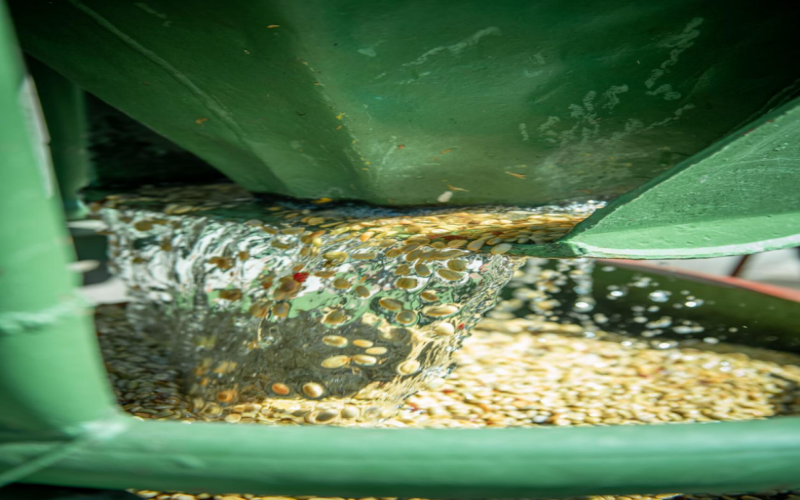
Which origin is most famous for Geisha coffee? Can Panamanian Geisha be used to make espresso?
Geisha coffee is renowned worldwide for its delicate and elegant floral aromas and fruity acidity, and the Geisha produced at Hacienda La Esmeralda in Panama is widely recognized as the finest of all. The Geisha variety originated in Ethiopia, yet it truly shines under Panama's unique terroir conditions, with the high-altitude microclimate of the Boquete region being particularly crucial. As for whether Geisha can be used to make espresso, the answer is yes—single-origin beans made into SOE are one example—but in practice, factors such as roast level, extraction parameters, and output consistency need to be taken into account. Front Street Coffee walks coffee enthusiasts through the full picture of Geisha coffee, from variety characteristics and regional terroir to brewing methods, and shares why the shop chooses to present Geisha as pour-over rather than espresso. [more…]
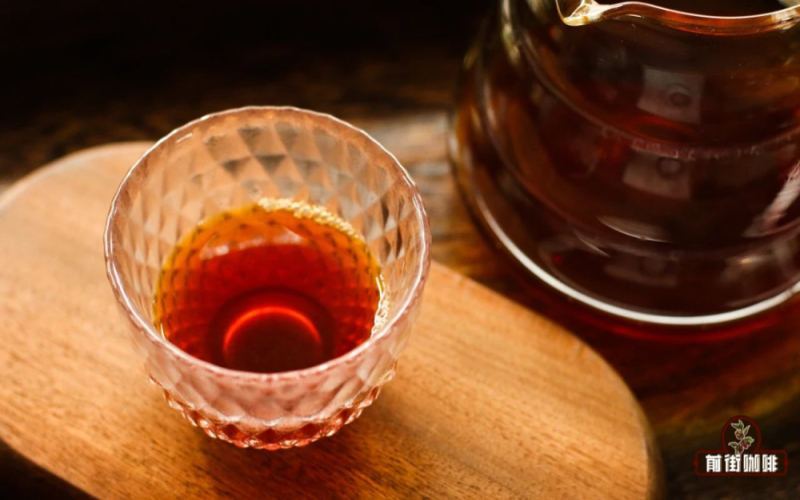
Tracing the Origins of the Geisha Coffee Variety: The Legendary Journey from Ethiopia's Geisha Mountain to Panama's Hacienda La Esmeralda
Is it Geisha or Gesha? This variety, hailed as the new king of specialty coffee, originated in the Geisha Mountain Kaffa forests of southwestern Ethiopia, but rose to fame at Hacienda La Esmeralda in Panama. From being collected in 1931 for disease-resistance research, to winning the BOP competition in 2003, to being crowned at the SCAA evaluation in 2005, Geisha has traveled a long and winding road. This article will comprehensively sort out the origin of the Geisha variety's name, its historical spread, flavor characteristics, origin terroir, and Front Street Coffee's roasting and brewing recommendations, taking you through the full story behind one of the world's most expensive coffees. [more…]
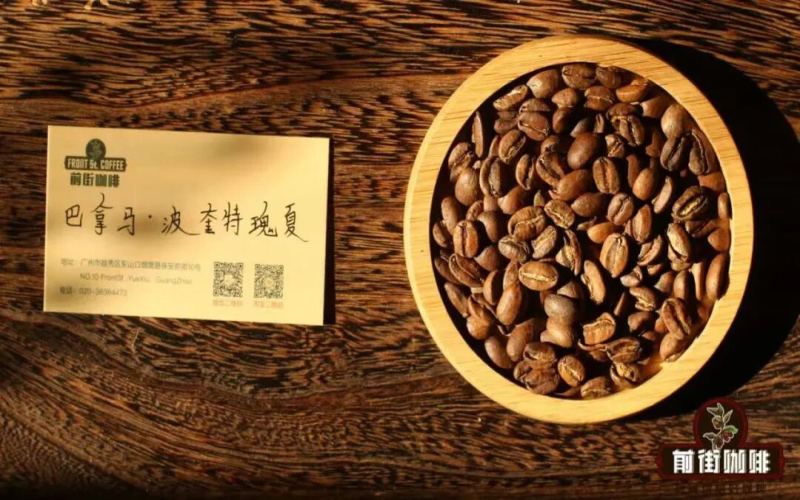
What Kind of Coffee Is Geisha?|Why Are Geisha Coffee Beans Always Associated with Panama? Which Coffee Regions Grow Geisha? What Makes Panamanian Geisha So Unique?
Many friends have noticed this phenomenon: whenever people chat about Geisha coffee, even though no specific region is mentioned, the first thing that often comes to mind is Geisha from Panama; or when talking about Panamanian coffee, they will directly assume it is the Geisha variety; some even go so far as to directly [more…]
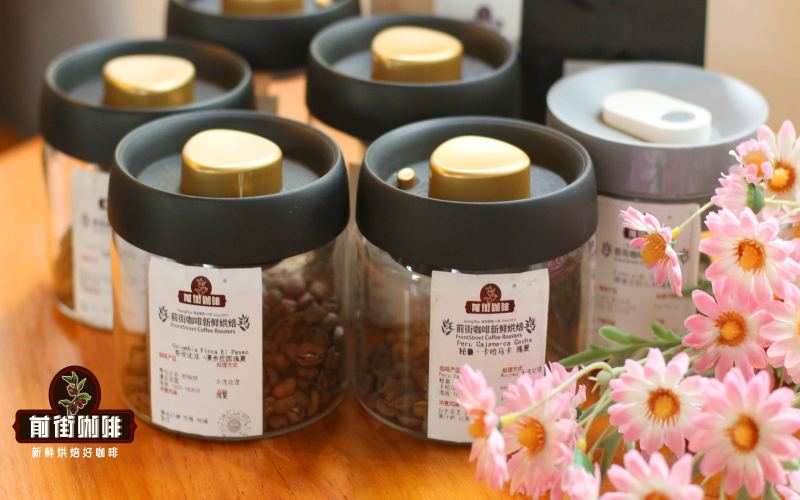
A Detailed Explanation of What Geisha SOE Espresso Means, and a Practical Guide to Extracting Espresso from Pure Geisha Beans
Geisha coffee rose to fame after the 2004 BOP competition with its intense floral aroma and citrus honey sweetness, and many enthusiasts always want to experience its versatile charm in various ways. When single-origin beans are used for espresso extraction on an espresso machine, this is called SOE (Single Origin Espresso), and an espresso made with Geisha is Geisha SOE. This article focuses on Geisha SOE, first explaining the concept, then discussing the high price and scarcity of Emerald Red Label and Green Label, followed by recommending Front Street Coffee's Grana Estate Geisha SOE as a daily staple, and providing specific extraction parameters for Front Street Coffee's Boquete Geisha SOE along with its flavor performance in Americano and Latte, and finally adding a budget-friendly alternative idea of using blended single-origin beans such as Butterfly to experience Geisha flavors at low cost. [more…]
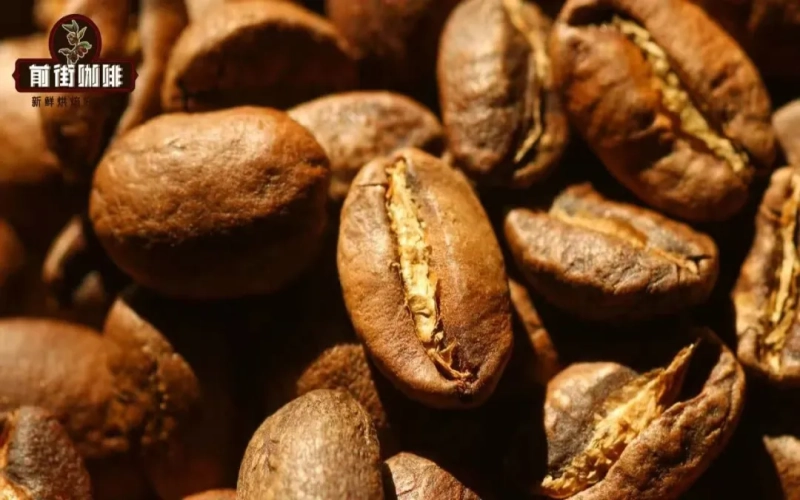
Flavor Differences Between Ethiopian Geisha and Panamanian Geisha: Same Name, Different Variety—Why the Huge Gap in Price and Taste
Geisha coffee varies significantly in flavor and price depending on its origin and processing method. Among them, Ethiopian Geisha and Panamanian Geisha often spark lively discussion among coffee enthusiasts due to their stark differences in price and taste. Although the two share the name "Geisha," they are actually entirely different varieties. Panamanian Geisha originated from the Geisha forest in Ethiopia, was discovered by Hacienda La Esmeralda, and won the 2004 BOP competition, known for its white floral notes, citrus fruit character, and green tea-like quality, with the designation T2722; Ethiopian Geisha, on the other hand, tends to have a rich, juicy mouthfeel and is genetically more distantly related to Panamanian Geisha, making it something of a distant relative. This article will outline the origins and flavor differences of the two, and recommend several high-value Geisha beans from Front Street Coffee for comparative tasting. [more…]
The Difference Between Panama Geisha and Ethiopian Geisha: The Origins and Naming Code of the World's Most Expensive Coffee
Geisha consistently tops the list of the world's most expensive coffees, but many people ask: why is Panama always emphasized whenever Geisha is mentioned? Are Panama Geisha and Ethiopian Geisha actually the same thing? This article begins with the 1931 collection in Ethiopia's Kaffa forest, tracing the complete journey of Geisha as it passed through Kenya and Costa Rica, and was eventually discovered and made famous at Hacienda La Esmeralda in Panama through the Best of Panama (BOP) competition. It explains the origin of the T2722 designation, as well as the commercial logic behind the many "Geisha" names on the market. The article also explains how to distinguish origin by the spelling difference between Gesha and Geisha, and includes Front Street Coffee's purchasing advice and product recommendations. [more…]
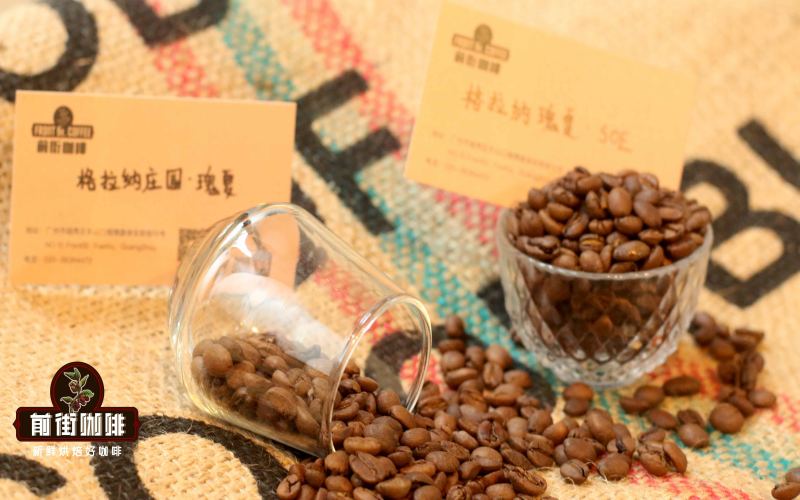
The Origin and Flavor Characteristics of Ethiopia's Native Geisha, and Three Must-Try Geisha Recommendations for Beginners
Geisha is one of the most talked-about coffee varieties in the coffee world today. Its name originates from Ethiopia, and since it is pronounced the same as the Japanese word for "geisha," it is also known as geisha coffee. This variety originally grew in Ethiopia but remained obscure for a long time, until Hacienda La Esmeralda in Panama separated it and won first place, finally making the world recognize its value. Geisha plants are taller, have lower yields, and are difficult to harvest, and their flavor varies richly depending on the producing region, processing method, and roast level. This article will sort out the origins and characteristics of Geisha and recommend three Geisha coffees suitable for beginners: Front Street Emerald Green Label, Front Street Geisha Village Red Label, and Front Street Granja Estate Geisha, helping coffee lovers find the cup that suits them. [more…]
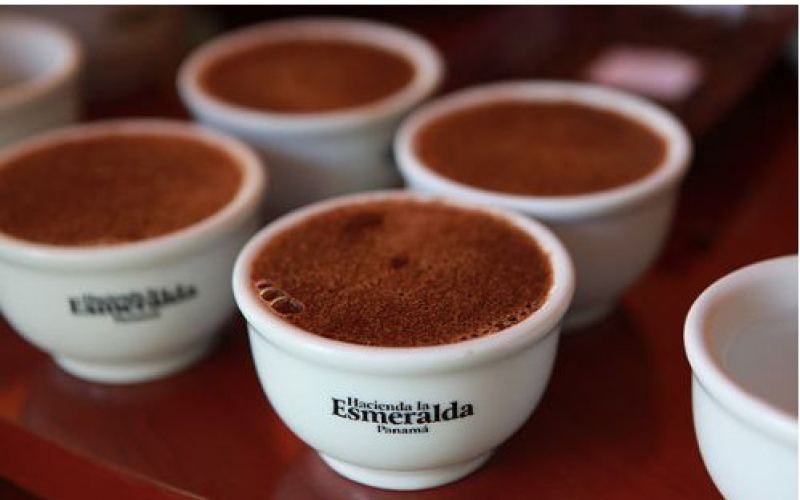
A Complete Analysis of Geisha Coffee Bean Origins: From Ethiopian Beginnings to Cultivation and Flavor at Panama's Hacienda La Esmeralda
Geisha coffee, also known as Gesha coffee, is widely recognized as a top-tier variety in the specialty coffee world. It originated in the Geisha forests of Ethiopia, then spread through Kenya, Uganda, and Costa Rica before arriving in Panama. It was not until 2004, when Hacienda La Esmeralda won the Best of Panama (BOP) competition, that it truly came into the public eye. Geisha is extremely demanding when it comes to its growing environment—high altitude, cloud cover for shade, and fertile soil are all indispensable, and this is what gives it its refined and elegant floral aroma and fruity acidity. Today, Colombia, Costa Rica, Guatemala, Peru, and even Ethiopia itself are all cultivating Geisha, with each origin offering its own distinctive flavors. Among the many Geisha coffee beans that Front Street Coffee has sourced are Panama Hacienda La Esmeralda's Red Label and Green Label, as well as representatives such as Colombia Hanami, Costa Rica Mirazu, and Ethiopia Gesha Village. This article will systematically outline Geisha's history of dissemination and the characteristics of each origin, along with Front Street's brewing recommendations and flavor descriptions, to give you a comprehensive understanding of this legendary coffee. [more…]
Geisha Coffee: The Variety Legend from Ethiopian Forests to Panama Champion and a Full Analysis of Origin Flavors
Geisha coffee, also known as Gesha coffee, is one of the most dazzling varieties in today's specialty coffee world. It was first discovered in the Geisha forest of Ethiopia, then made its way through Kenya, Uganda, and Costa Rica, and finally rose to fame at Hacienda La Esmeralda in Panama. This article traces the complete spread of Geisha coffee and its varietal characteristics, and introduces the Geisha flavors of representative origins such as Colombia, Costa Rica, and Ethiopia, as well as the Red Label, Green Label, and Blue Label grade classifications of Panama's Hacienda La Esmeralda. Drawing on years of sourcing experience, Front Street Coffee shares the cupping performance and brewing suggestions for each Geisha coffee bean, helping coffee lovers fully understand this legendary variety. [more…]
The Origin of the Geisha Coffee Name: A Variety Legend from Geisha Mountain in Ethiopia to Hacienda La Esmeralda in Panama
Geisha is one of the most highly regarded varieties in today's specialty coffee world, having won over countless coffee lovers with its complex flavors woven from floral notes and tropical fruits. This variety originated in the Geisha Mountain Kaffa forests of southwestern Ethiopia, yet rose to fame through its discovery at Hacienda La Esmeralda in Panama. From being collected and recorded as T2722 in 1931, to winning first place in the BOP competition in 2003, and then stunning the world at the SCAA evaluation in 2005, Geisha has traveled a long and winding road. This article will provide a complete overview of the origin of the name Geisha, the historical spread of the variety, the terroir advantages of the Boquete producing region, and Front Street Coffee's professional recommendations for roasting and brewing, guiding you to a comprehensive understanding of this new king among specialty coffees. [more…]
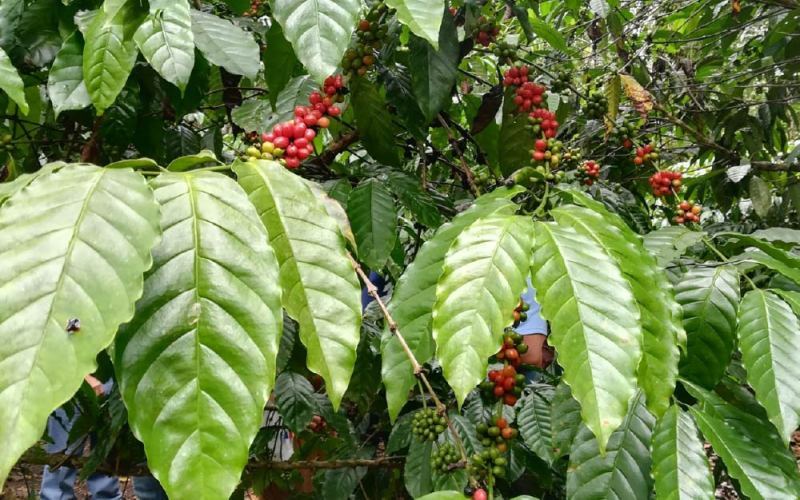
How Much Does Geisha Coffee Cost? The Origins, Flavor, and Aroma of the Authentic Geisha Variety Explained
Geisha coffee is also known in China as "艺伎咖啡" (Geisha coffee), and is a member of the Ethiopian strain within the Arabica family, originally from Africa. Although it originated in Ethiopia, it rose to fame in Panama. Interestingly, the Geisha grown today in Panama and Central and South America is actually a different variety from the native Geisha of Ethiopia. Through comparison, Front Street Coffee has found that the two differ noticeably in flavor expression. This article will take you through the history of Geisha's discovery, analyze the varietal relationship between the two major producing regions, and introduce in detail the various Geisha coffee beans currently sold by Front Street Coffee along with their flavor characteristics, providing coffee lovers with a complete guide to Geisha knowledge. [more…]
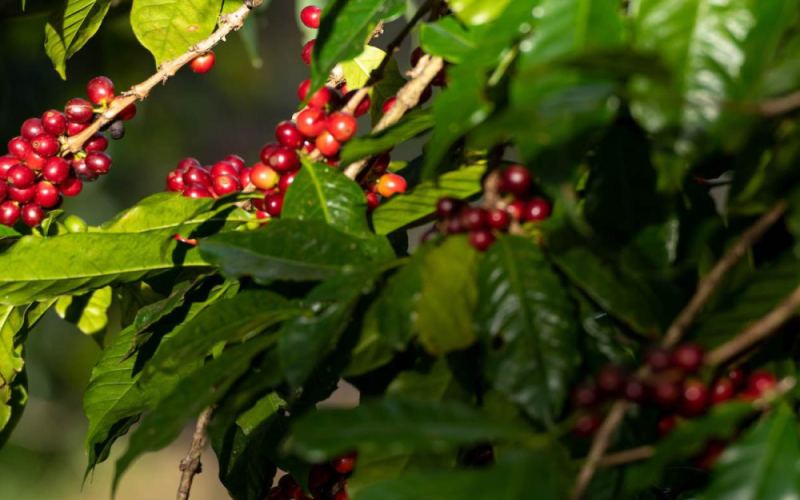
Where Does the Geisha Flavor Come From? An Analysis of the Variety, Origin, and Processing Differences Between Ethiopian and Panamanian Geisha
Geisha coffee has won over coffee lovers worldwide with its jasmine, citrus acidity, and honey-like body, but not every coffee called Geisha delivers the signature "Geisha flavor." This article systematically analyzes the root causes of the flavor differences between Ethiopian Geisha and Panamanian Geisha from three dimensions—varietal genetics, growing origin, and green bean processing—and includes Front Street Coffee's Geisha brewing suggestions and parameter demonstration to help readers understand why coffees sharing the name Geisha can taste so strikingly different. [more…]
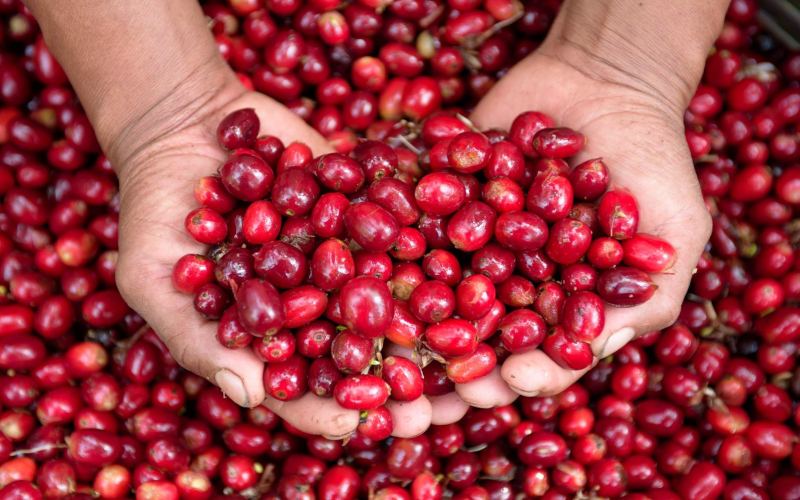
Geisha Pour-Over Coffee Brewing Parameters and Flavor Characteristics: Coffee-to-Water Ratio, Water Temperature, and Flavor Comparison of Geisha from Different Origins
Geisha coffee is hailed as one of the best coffee beans in the world, renowned for its extraordinary flavor and aroma. From Hacienda La Esmeralda in Panama to Gesha Village in Ethiopia, Geisha from different origins each has its own distinctive characteristics in bean shape, flavor, and brewing performance. This article will guide you through the origins and rise to fame of Geisha coffee, compare the flavor differences between Panamanian and Ethiopian Geisha, explain the true meaning of grading labels such as Red Label, Green Label, and Gold Label, and share Front Street's brewing parameters and techniques for Geisha coffee, helping you maximize the delicate floral notes and layered complexity of this precious coffee. [more…]
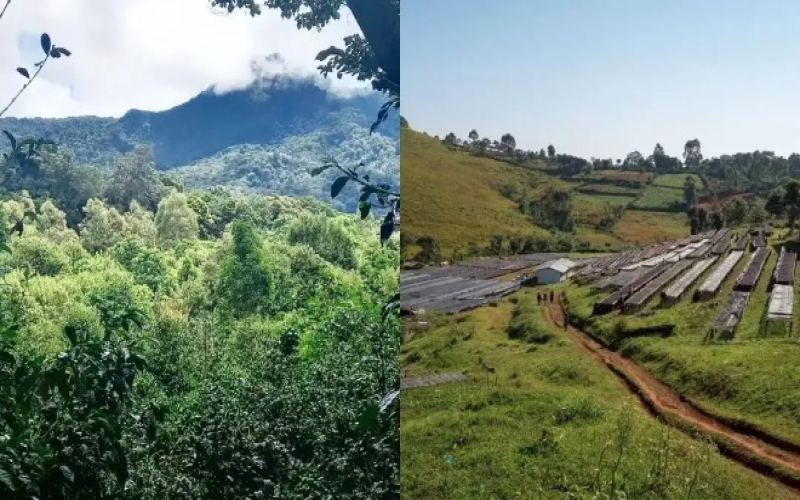
Gori Geisha, Geisha 1931, are also Geisha coffee beans?
The place where Geisha originated is in Panama, while its origin is in Ethiopia. Therefore, people often compare the Geisha from these two regions! And the "Geisha 1931" and "Gori Geisha" bean varieties are recognized by people as representatives of [more…]
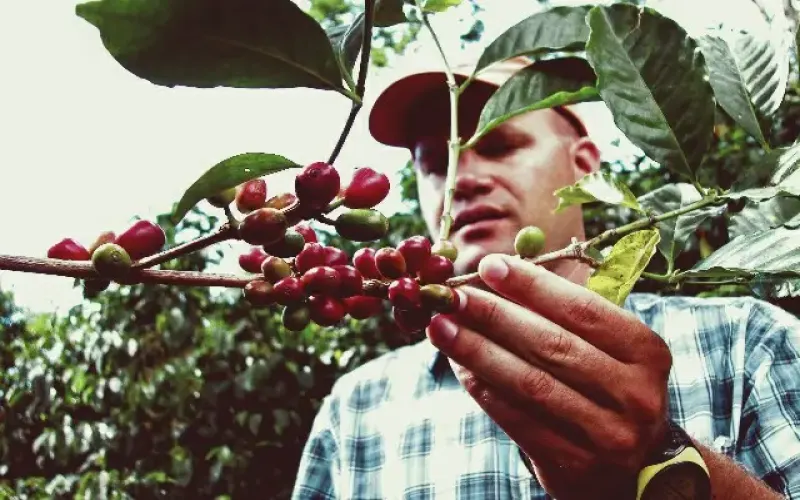
Why has Panama Geisha become a leader in specialty coffee? Can Geisha beans be used to make espresso?
Geisha coffee is widely recognized as a star variety among specialty coffees, and the Geisha produced at Hacienda La Esmeralda in Panama is the benchmark among them. Geisha originated in Ethiopia and was later introduced to Panama, where, thanks to the local unique climate and high-altitude growing conditions, it displayed delicate floral aromas and elegant fruit acidity, bursting onto the scene. So, can Geisha coffee beans be used to make espresso? Front Street Coffee gives its own answer from the perspectives of product positioning, roasting difficulty, and flavor performance. This article will take you through the origin and spread of Geisha, the terroir advantages of Panama's Boquete producing region, and why Front Street prefers to present Geisha's unique charm through pour-over. [more…]
What's the difference between Panama Geisha and Ethiopian Geisha? A clear explanation from flavor and bean appearance to origins
Geisha is now a star variety in the specialty coffee world, but Panama Geisha and Ethiopian Geisha actually represent two different flavor paths. After comparing them, Front Street Coffee found that although both possess outstanding acidity and floral aromas, their specific expressions differ markedly: Panama Geisha leans toward jasmine florals, citrus, and honey-like sweetness, with a soft, easy-drinking entry; Ethiopian Geisha also has florals, but its main thrust is abundant juiciness and explosive fruit flavors. This article examines, from the perspectives of historical origins, dissemination routes, terroir conditions, and green bean appearance, why these two coffees sharing the same name taste like two different beans, and also answers how the true Geisha flavor should be understood. [more…]
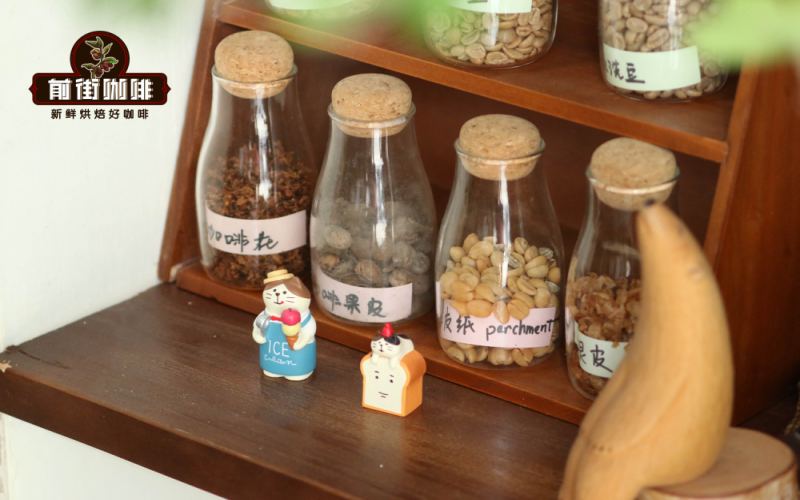
A Complete Guide to the Geisha Coffee Variety: From Its Origins and Rise to Fame to Red, Green, and Blue Label Grading and Brewing Parameters
Geisha is arguably the most legendary variety in the specialty coffee world of the 21st century, with its cupping performance and auction prices repeatedly setting new records. The saying, "If you don't know Geisha in your life, you can't truly call yourself a connoisseur," captures its status in the coffee circle. This article systematically traces Geisha's nearly century-long journey from the forests of Ethiopia to the championship stage in Panama, clarifies its relationship with names like Huakui and Yiji, explains in detail the respective grading systems of Hacienda La Esmeralda and Gesha Village, and compares the flavor differences between the two major origins of Panama and Ethiopia. The article also includes a Geisha brewing recipe from FrontStreet Coffee to help enthusiasts fully unlock the delicate layers of this expensive bean. [more…]
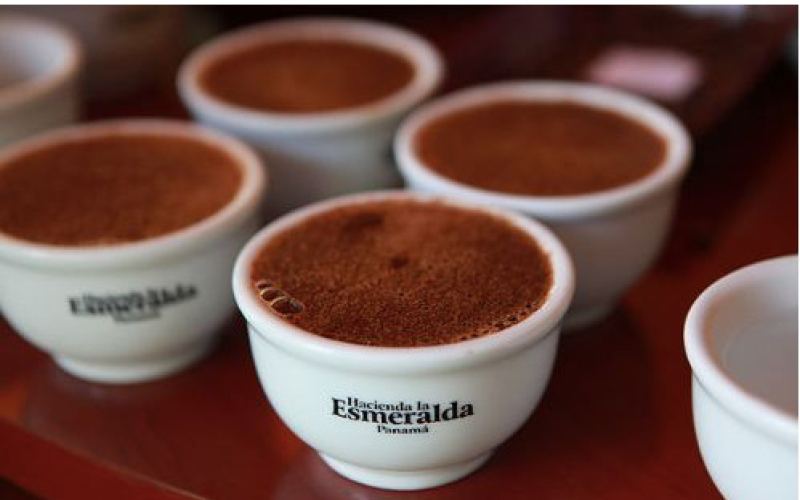
The Origin and Spread of Panama Geisha Coffee: An Analysis of Variety Characteristics, Estate Grading Systems, and Brewing Key Points
Geisha coffee's journey from the wild forests of Ethiopia to the world stage of specialty coffee owes much to the discovery and promotion by Hacienda La Esmeralda in Panama. This article will trace the spread of the Geisha variety, compare the flavor differences of Geisha from origins such as Panama and Ethiopia, explain in detail Hacienda La Esmeralda's Red, Green, and Blue Label grading system and the characteristics of each, and introduce the flavor profiles and brewing suggestions for several Geisha coffee beans sourced by Front Street Coffee, helping coffee enthusiasts gain a comprehensive understanding of this legendary variety. [more…]
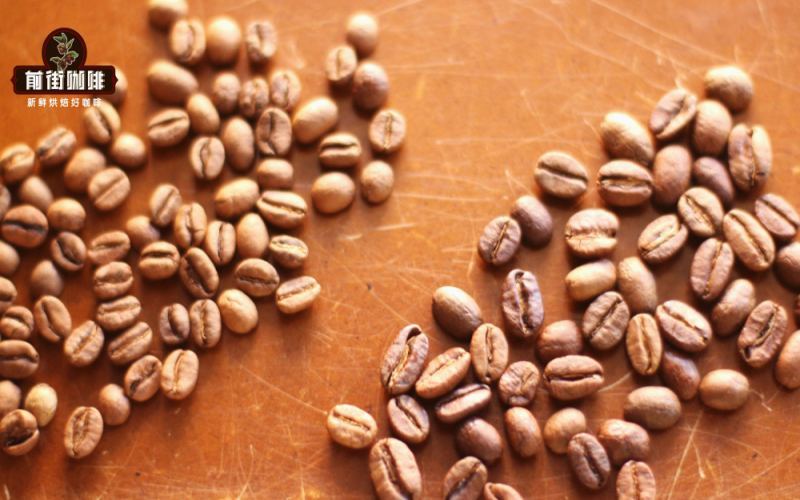
Analysis of the Origin of the Name "Huakui" Coffee and Its Producing Region Relationship with Geisha
Are Geisha coffee and Guixia coffee beans actually from the same origin? This question sparked quite a bit of discussion in the early days when Guixia rose to fame. This article will trace Geisha's journey to fame from the forests of Ethiopia to Panama's Hacienda La Esmeralda, explain the origins of the two names "Geisha" and "Guixia," and sort out the naming logic behind grading systems such as Red Label and Gold Label. At the same time, the article will also reconstruct the complete timeline of Guixia, from winning the 2017 TOH to the year-by-year updates of its version numbers, explaining the original meaning of the word "Guixia" in Japanese geisha culture and how it was mistakenly rumored to be a top-tier Geisha. Finally, Front Street Coffee will guide you through the specific differences between Guixia flavor and Geisha flavor, and offer region recommendations for getting started with Geisha. [more…]
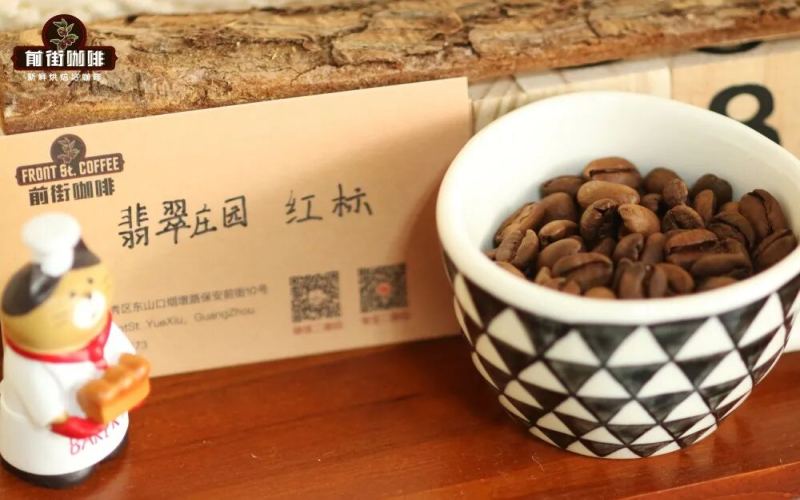
What are Geisha coffee beans? The origin of Geisha coffee beans, recommended origins, prices, varieties, grade classifications, and an introduction to their flavor characteristics
Some people say Geisha coffee is so expensive, but what exactly does Geisha coffee taste like? Front Street believes that when you drink Geisha coffee, it feels less like a cup of coffee and more like a cup of fruit-and-flower tea. Because of different growing regions, the flavors that Geisha coffee presents also vary, but overall, Geisha coffee naturally carries a kind of [more…]